Convenience Stores for Sale in Ontario - Page 7
As of November 2026, haho.ca lists 152 convenience stores for sale in Ontario, each sold as a going concern: the equipment, the stock, the trading name and, in most cases, the balance of a lease on premises the seller rents rather than owns. Listings come from live MLS® data and are refreshed daily. 11 came on the market in the last 7 days.
Convenience Stores for Sale in Ontario, listings 145 to 152 of 152

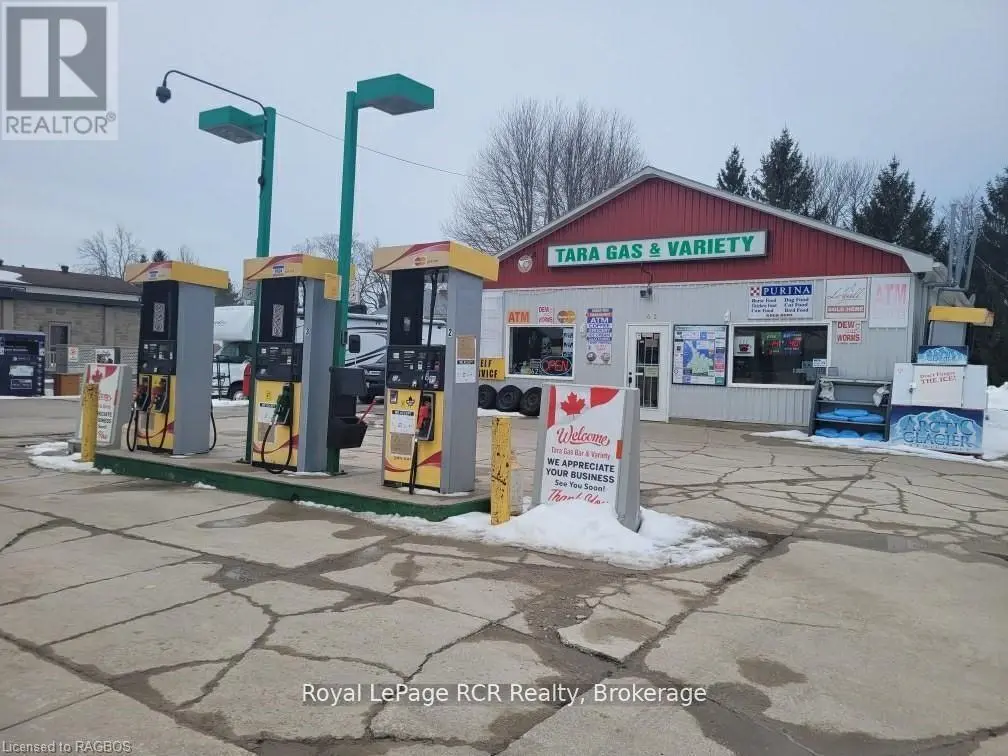
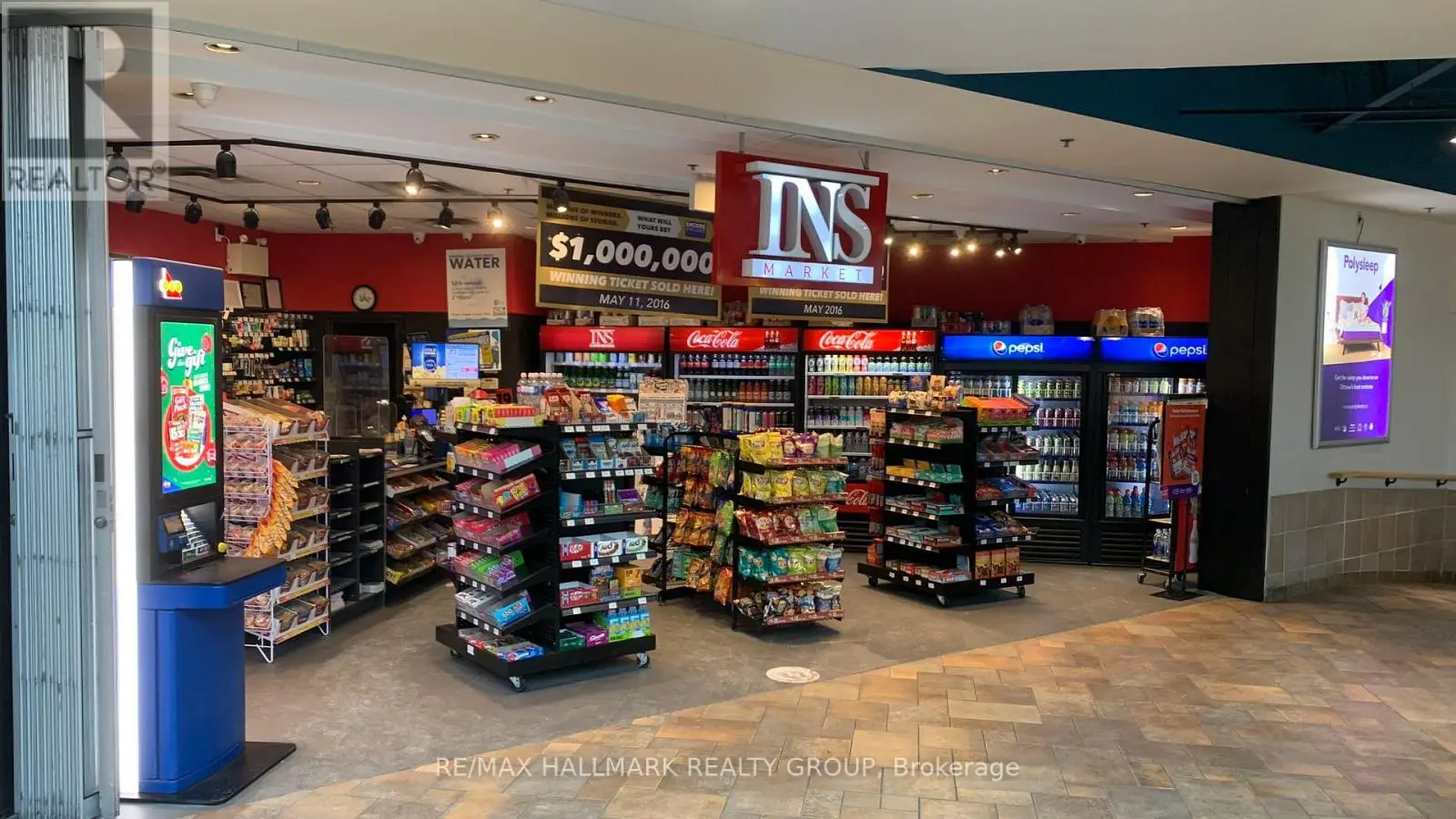

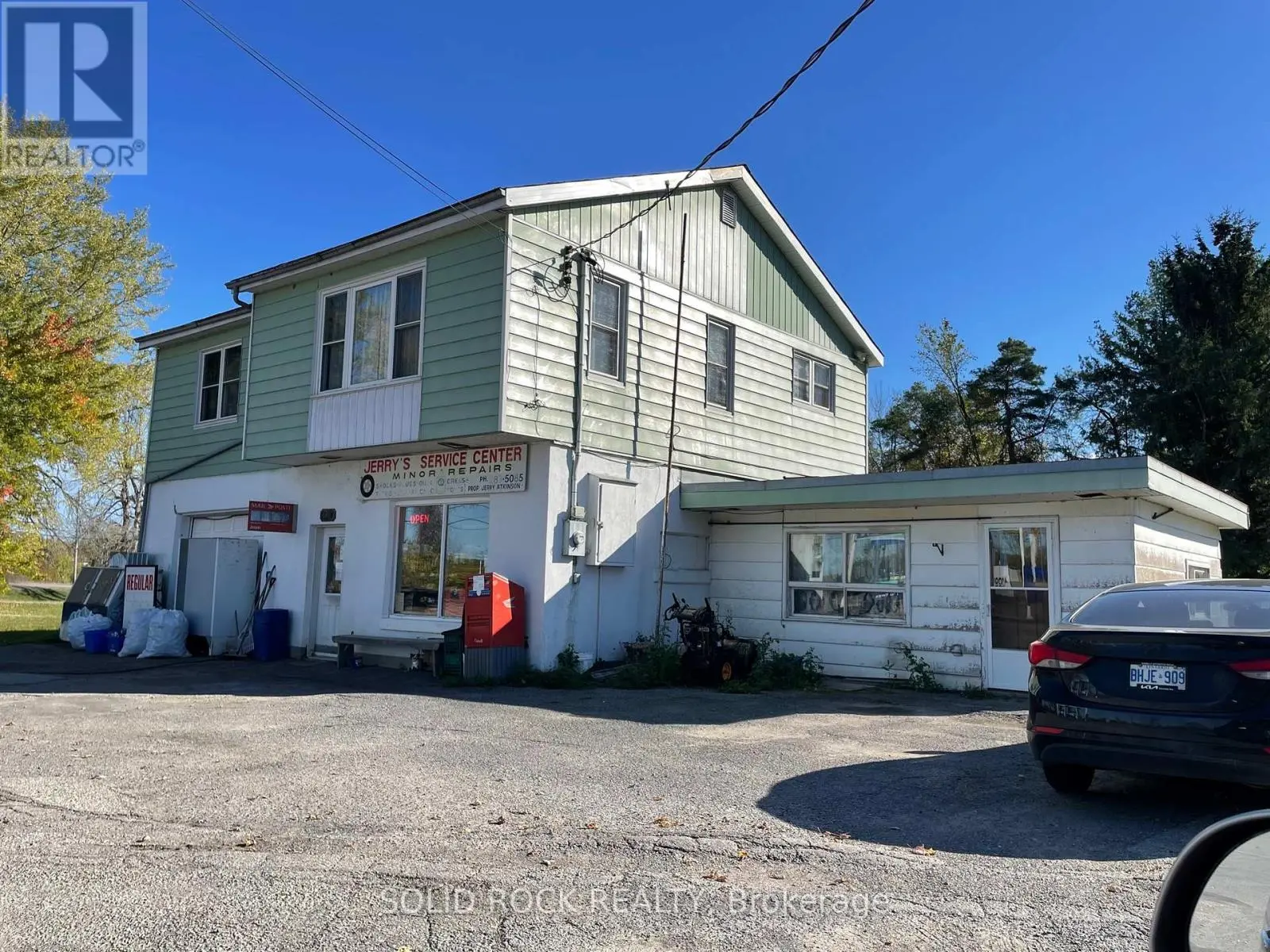

What to know about buying a convenience store
A convenience store for sale is a retail business sold as a going concern. The sale usually covers the shelving and coolers that belong to the business, the stock on the shelves counted and valued at closing, the trading name, and an assignment of the lease, since the store nearly always occupies rented space. Some listings include a residence above the store or the building itself, but that is the exception and the listing will say so. What you are buying first is the right to keep trading at that address under the permits the trade depends on.
Much of what a convenience store sells is licensed to the operator rather than to the address, so begin with the permits. Lottery runs on a retailer agreement with the provincial operator and a terminal that is assigned rather than sold, so that revenue continues only if you are approved and signed up in your own name. Apply as early as the deal allows, because the gap between closing and approval is a gap in the till rather than a formality.
Tobacco needs its own dealer permit, vapour products are separately regulated, and where your province permits convenience or grocery sale of beer, wine or ready-to-drink products, that is a separate authorization again. Every one of these is a provincial permit with its own application and its own compliance file, so ask for the history behind each, because age-of-sale convictions and failed test purchases can suspend the right to sell, and that record sits with the store rather than leaving with the seller.
Next read the supplier contracts, because much of the store's shelf and cooler space comes with strings attached. Coolers, fountain and coffee equipment and the shelving around them often belong to a distributor and arrive with multi-year exclusivity and volume commitments that you take over, so ask what you must buy, from whom, for how long, and what happens to the equipment if you stop. The same questions apply to the ATM, the air machine, and any bill payment or money transfer agency operating from the counter.
Then settle the mechanics. Agree a stock count on the closing date with a valuation method in writing and an exclusion for expired or unsellable goods, run a lien search against the fixtures, and read the lease for the remaining term, the renewal options and the landlord's consent to an assignment. The hours you may trade are set by the lease and the municipality rather than by you, so confirm them before you plan around longer days.
The listings on this page are MLS® business listings whose descriptions identify the business as a convenience store, variety store or corner store and whose feed business category is consistent with that, refreshed daily. Because the match is made on the description, a store whose listing describes it another way will not appear here, and this page does not claim to show every convenience store for sale. Check each listing for whether the premises are leased or included. This overview is general information, not legal, financial, or tax advice.
Other businesses for sale in Ontario
What transfers when a business is sold
A business listed for sale is a going concern rather than a property. What changes hands is usually the equipment, the stock on hand, the trading name and customer goodwill, the staff who stay on, and the balance of the lease on the premises. The premises themselves are more often rented from a landlord than owned by the seller, so most of these sales are an asset purchase plus an assignment of that lease.
Where the seller does own the land and the building, the real estate is priced separately from the business and can be bought outright or leased back. Each listing states which of the two it is, so read that before you compare one asking price against another.
Three things decide whether a business can keep trading the day after it changes hands: the licence or registration the operator holds rather than the premises, the landlord's written consent to assign the lease, and a registry search showing which equipment is owned outright and which is still financed. Settle all three before you remove conditions.
Related searches
Frequently asked questions
- How many convenience stores are for sale in Ontario?
- As of November 2026, haho.ca lists 152 convenience stores for sale in Ontario, each sold as a going concern: the equipment, the stock, the trading name and, in most cases, the balance of a lease on premises the seller rents rather than owns. This page updates as listings come on and off the market.
- Does the lottery terminal transfer with the store?
- Not by itself. Lottery is sold under a retailer agreement between the provincial lottery operator and the retailer, and the terminal is assigned to that retailer, so the incoming owner has to be approved and signed up in their own name. Apply early, and ask the seller whether the store's lottery, tobacco or alcohol permits carry any outstanding compliance issues.
- Do the coolers and the branded equipment belong to the store?
- Frequently not. Branded coolers, fountain machines and coffee equipment are commonly supplied by a distributor under an agreement that commits the store to buy certain products, in certain volumes, for a set number of years, with the equipment remaining the supplier's. Ask for every supplier agreement in writing and read the exclusivity and the term before you assume the fridges are yours.
- How is the stock valued at closing?
- By agreement, and it should be in writing before closing day. The usual approach is a joint count on the closing date valued at the seller's cost, with expired, damaged and unsellable goods excluded, and controlled stock such as tobacco and lottery tickets reconciled separately. Agree the method, who counts, how a disagreement is settled and how the amount is paid, because this is a sum settled on the day rather than fixed in the purchase price.
- Does buying a convenience store mean buying the building?
- Usually not. Most of these listings sell the business and assign the lease on the premises, which the seller rents from a landlord. Where the seller does own the land and building, the listing says so and the real estate is priced separately from the business. Check each listing for which of the two it is before comparing asking prices.
- Can I see every convenience store for sale in Ontario?
- Yes. All 152 listings are linked across 7 pages, 24 per page, starting at page 1 of this index.
- How do I get told about new convenience stores in Ontario?
- Set a free alert on this page and Haho, our AI assistant, will email you when a new business is listed for sale in Ontario.
The information provided herein must only be used by consumers that have a bona fide interest in the purchase, sale or lease of real estate and may not be used for any commercial purpose or any other purpose.
This listing content is provided under license from the DDF® of The Canadian Real Estate Association (CREA) and is owned or licensed by REALTOR® members of CREA. Data is deemed reliable but is not guaranteed accurate by CREA, the originating boards, or haho.ca. The trademarks REALTOR®, REALTORS® and the REALTOR® logo are controlled by CREA and identify real estate professionals who are members of CREA. The trademarks MLS®, Multiple Listing Service® and the associated logos identify professional services rendered by REALTOR® members of CREA to effect the purchase, sale and lease of real estate as part of a cooperative selling system. Data is intended solely for personal, non-commercial use.